
Are you a frustrated Zendesk user?
Then you must be searching for a cheaper, more transparent, or simply a less complex Zendesk alternative right now.
You’re not alone.
Many small business owners sign up for Zendesk’s two-seat annual plan – only to find out that basic features – that should be free – like live chat, cost an extra $20-$60 per agent every month. When they try to scale down their licenses – Zendesk’s predatory contract terms prevent them from doing so.
That’s why many business leaders are actively searching for Zendesk alternatives, as they can’t bear to watch their bills balloon to upwards of $4000-$5000/month. We’ve profiled 10 equally efficient alternatives – including the free and self-hosted ones – exactly for such concerned business leaders.
Why You’re Not Wrong to Seek out a Zendesk Alternative
There’s a growing exodus from Zendesk in 2026 because of:
Pricing Shocks
Want to upgrade from the email-only ticketing system – as most businesses already have? Zendesk will ask you to upgrade to its $55/month Zendesk Suite program.
Want custom analytics? That’s an extra $115/agent – every month.
There have been many price hikes like this across Zendesk’s basic feature set, and it’s affecting scaling businesses the most. Even businesses that want to cut their use and headcounts report facing difficulties scaling down their contracts because of Zendesk’s strict contracts.
Complex Setup
It’s nearly impossible for business leaders to configure Zendesk’s built-in triggers and automations without dedicated IT support. This problem is even bigger for firms with spread-out teams. Basic changes to the tool’s fields and triggers by one admin can silently break existing workflows/SLAs for the rest.
And, unless there are expert Zendesk API coders on the team, it’s practically impossible to use the customization/automation features the tool has to offer.
For many smaller businesses, it’s better to seek out a Zendesk alternative or use basic digital appointment systems than take on this complexity.
Feature Overload
Though most smaller businesses avoid using Zendesk’s customization/AI features, they still have to pay for them because of the newer pricing structures.
Even Zendesk’s stand-out features, like their reporting tool ‘Zendesk Explore’, are very hard to master. Plus, its UI has been clunky and non-user-friendly for years.
The best Zendesk alternatives have made their UIs simpler to target this frustrated user base.
Need for Customisation
Integrating external customer data on Zendesk means using complex apps or APIs. Tailoring workflows to match internal processes means investing in more external development resources.
In short – customising this tool is getting nearly impossible for smaller businesses.
What to Look For in Zendesk Alternatives
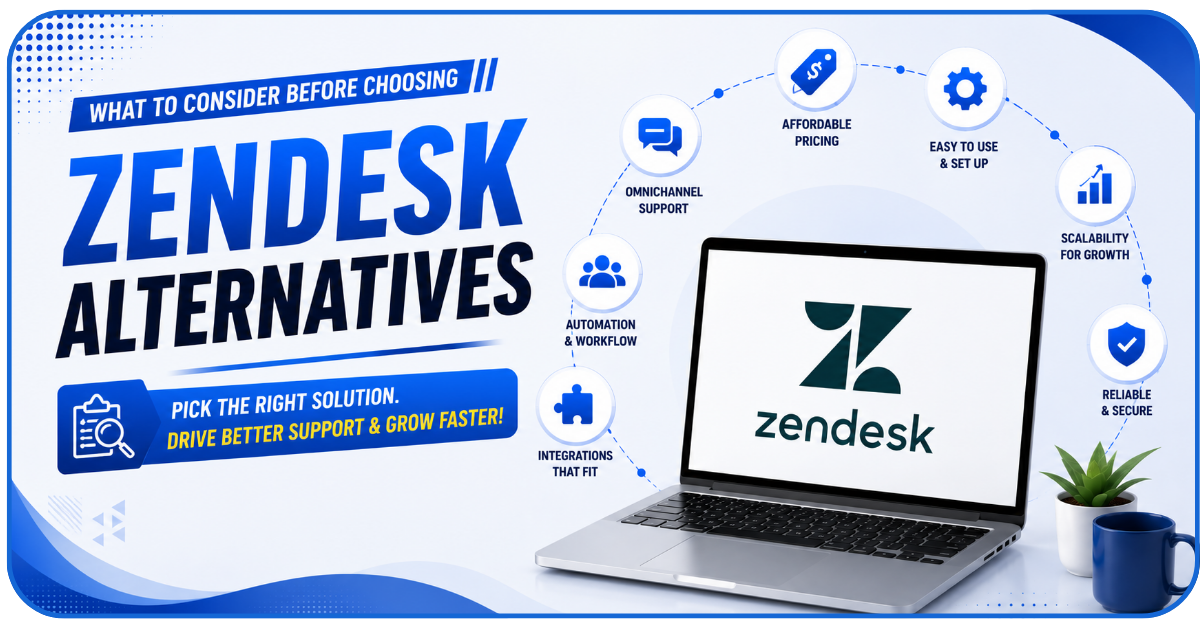
Switching away from Zendesk’s extensive feature ecosystem can be hard, especially if you’ve been using the platform for years. So, whichever tool you switch to must offer:
- Ticket management with intuitive routing, prioritisation, and collaboration features
- Automation features that easily let you make your workflows ‘smart’ and less manual
- Live chat bundled natively
- Easy-to-build self-service portals and an accessible knowledge base that integrates seamlessly with ticketing
- Native CRM, eCommerce, and productivity tool integrations
- Transparent pricing with no surprising add-ons
All the Zendesk alternatives we’ll review have these essential features.
8 Best Zendesk Alternatives
These alternatives deliver all the essential features and don’t have Zendesk’s ever-growing baggage of issues:
1. Freshdesk
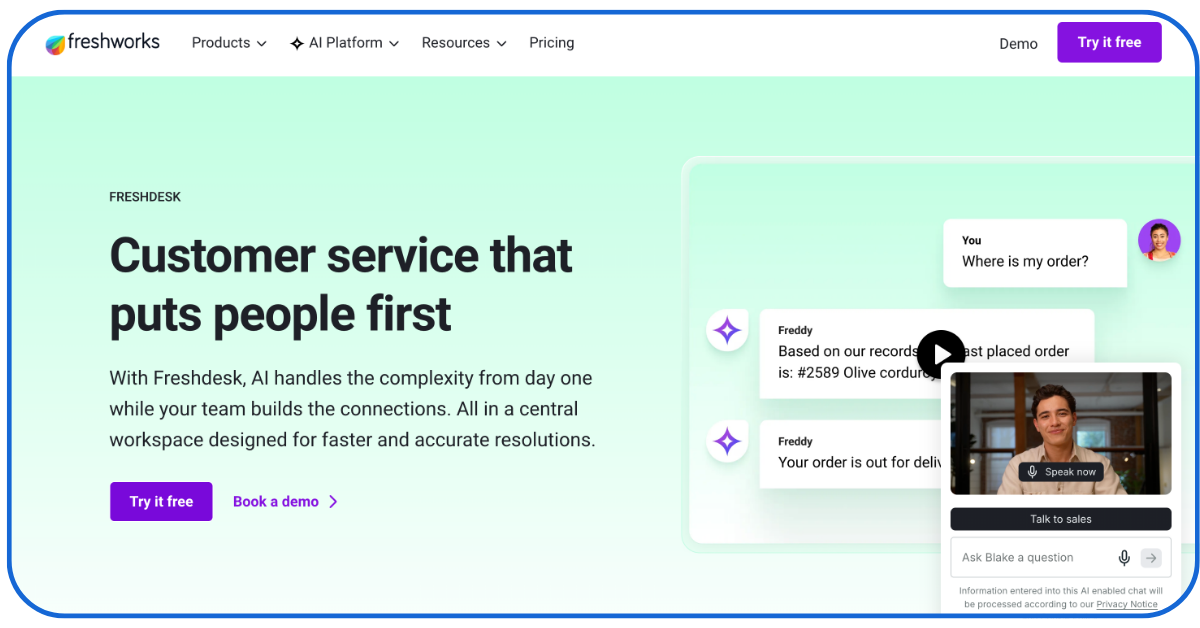
Freshdesk is one of the best Zendesk alternatives for budget-conscious teams as it offers:
- Genuine free tiers
- Growth plans starting at just $29 per agent per month
Freshdesk’s ticketing system and knowledge bases are solid. But its native AI ‘Freddy’ isn’t great at resolving conversations yet.
Standout Features
- Built-in knowledge base
- Multi-channel ticketing
- Gamified, easy-to-use agent productivity features
- Omnichannel inbox
Pros
- Generous free tier
- 40-50% cheaper growth plans than comparable Zendesk plans
- Easy to set up
- Good ticketing-KB combo
Ideal Users
- Growing teams that need solid ticketing with no enterprise-level complexity
- Small-to-mid-sized businesses that need core functionalities at good value
2. Help Scout
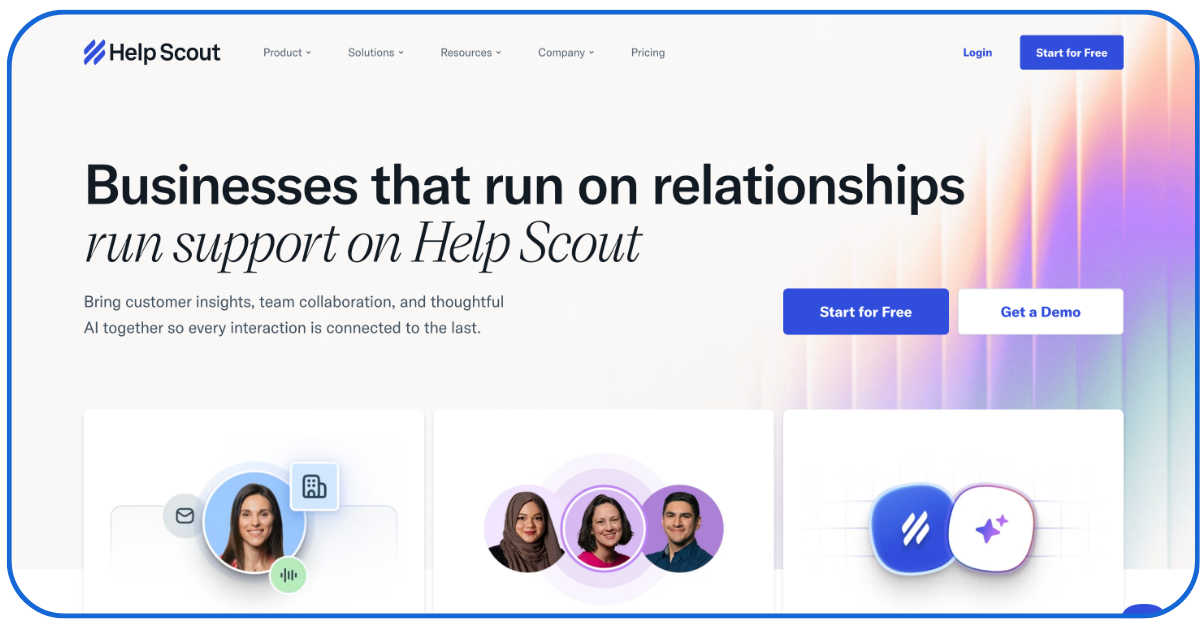
Is your team all about email-first support and rarely offers automation or voice-based support?
Help Scout is one of the best low-end Zendesk alternatives for that. It’s email-first, easy to set up, and you’ll get contact-based pricing with unlimited users and no per-set fees.
Standout Features
- Clean, Gmail-like UI
- Contact-based pricing with unlimited users
- Shared inbox collaboration
- Built-in collision detection to prevent duplicate replies
- Lightweight Docs-style knowledge base
Pros
- Scales well
- Easy-to-use UI
- Minimal set-up time
- Scales without bloat
- Facilitates fast onboarding
Ideal Users
- Email-first support teams
- Startups with small support teams that need simple-to-use features – not complex automation
3. Zoho Desk
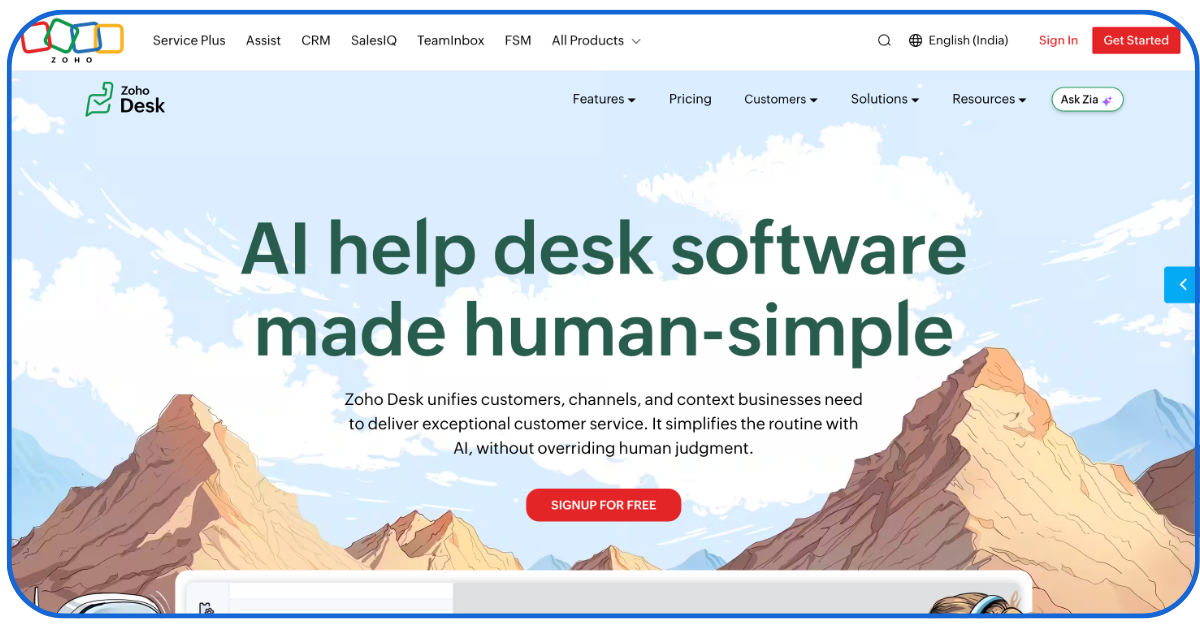
Zendesk makes you pay premium prices for AI agents – Zoho Desk offers that in its starting tiers.
That’s why businesses that already use Zoho’s other tools have already made the switch. Its native report-builder isn’t as accurate as Zendesk’s. You’ll need to pay for Zoho Analytics to get that.
Still, it’s one of the best Zendesk alternatives out there.
Standout Features
- Built-in ‘Zia AI’ for ticket sentiment analysis and auto-tagging
- Strong feedback tracking
- Deep Zoho ecosystem integration
- Contextual AI suggestions
- Multi-brand help centre (helpful if you plan to integrate your brand management software)
Pros
- Strong AI features from entry-level plans
- Integrates with Zoho ecosystem
- Customizable workflows
Ideal Users
- Budget-conscious teams already familiar with Zoho CRM
- Teams needing AI-assisted support without premium pricing
4. HubSpot Service Hub
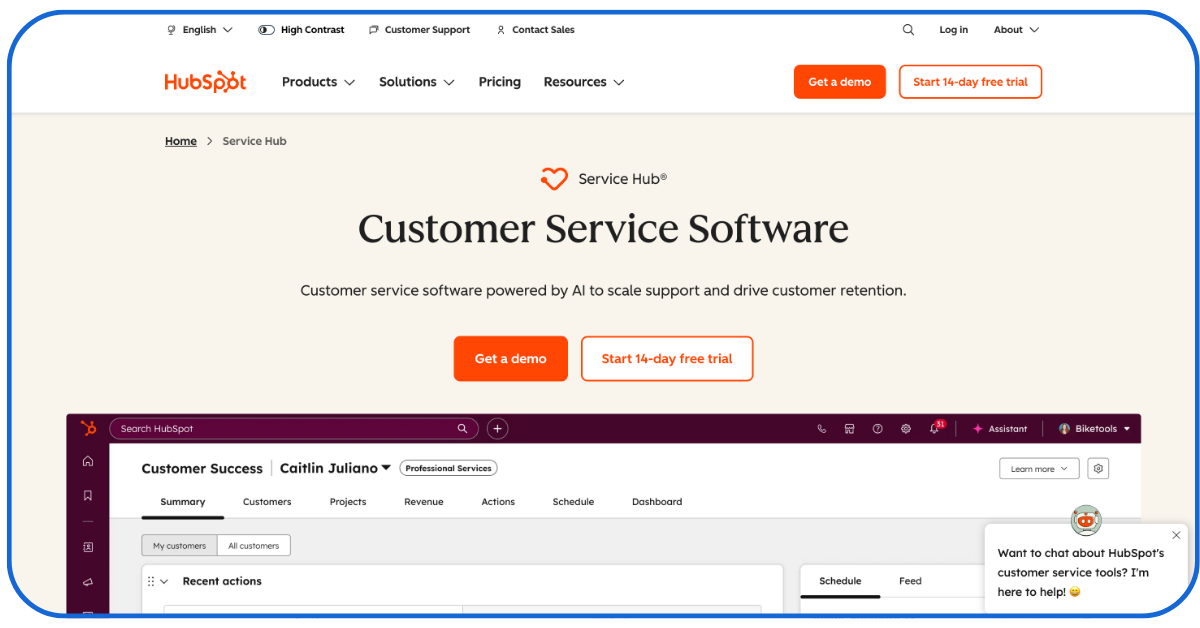
Setting HubSpot’s Service Hub up isn’t easy, and its reporting capabilities aren’t nearly as good as Salesforce’s or Zendesk’s.
But if you’re already in the HubSpot CRM ecosystem, these issues won’t be a problem.
Standout Features
- Native CRM integration
- Conversational bots
- Helpdesk automation
- Unified customer timeline
Pros
- You can tie support history to existing customer records
- Decent automation
- Extensive customisation features
Ideal Users
- Teams already using HubSpot’s CRM tools
5. LiveAgent
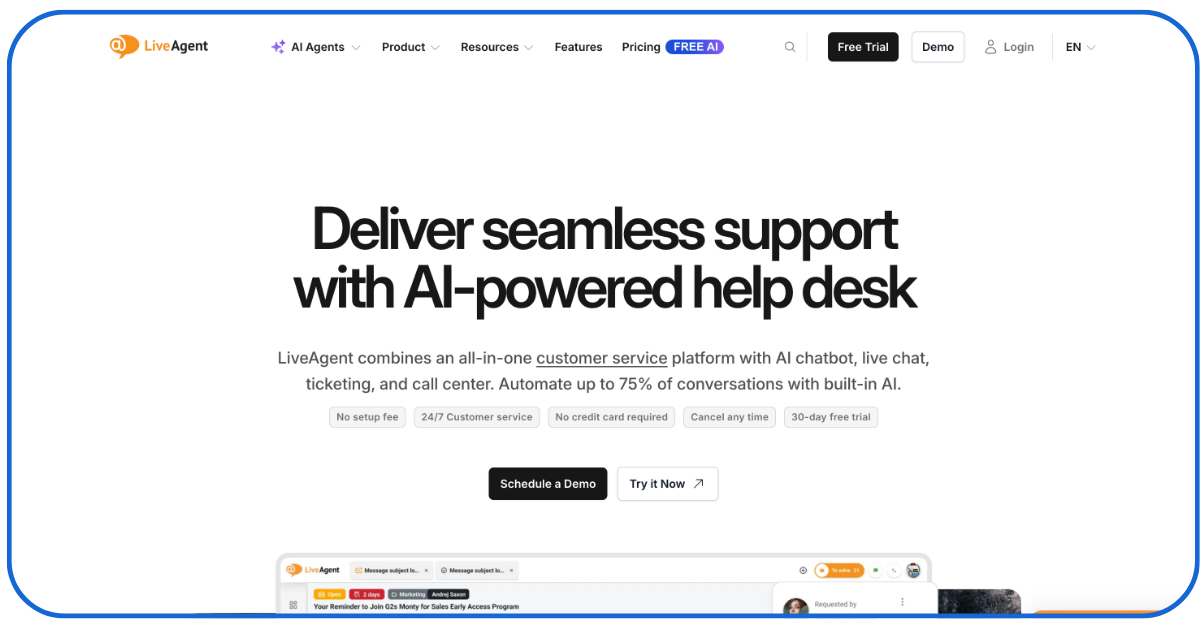
If you want true omnichannel support – ticketing, live chat, call centre, and social media – all in one platform, LiveAgent is one of the few Zendesk alternatives that offers that.
Standout Features
- Built-in call centre
- Real-time live chat
- Social media integrations
- Gamification for agent support
- Real-time typing view
- Universal inbox
Pros
- True omnichannel platform
- Robust feature set
Ideal Users
- Support teams handling high volumes across phone, chat, email, and social
6. Jira Service Management
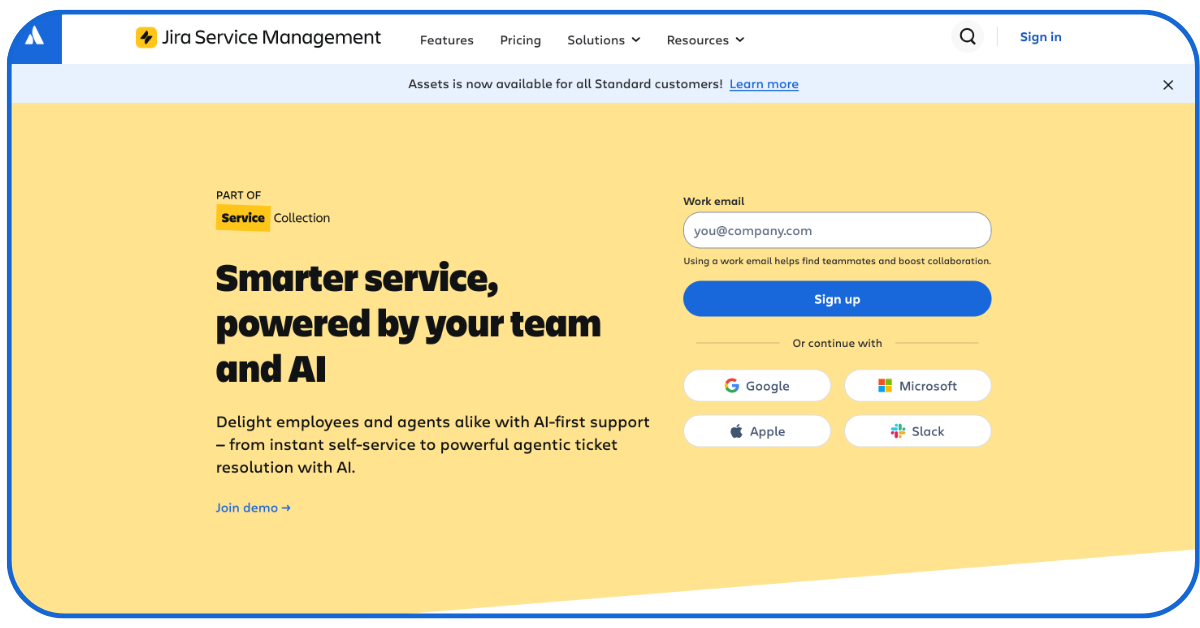
Jira is the king of IT service management for IT firms already in the Atlassian ecosystem. It’s the best centralised platform for engineering and support team collaboration.
Standout Features
- ITSM-focused workflows
- Seamless integration with Jira and Confluence
- Great change, incident, and asset management features
Pros
- Powerful ITSM capabilities
- Strong automation features
Ideal Users
- IT and engineering teams that need support tools connected to their development workflows
7. Hiver
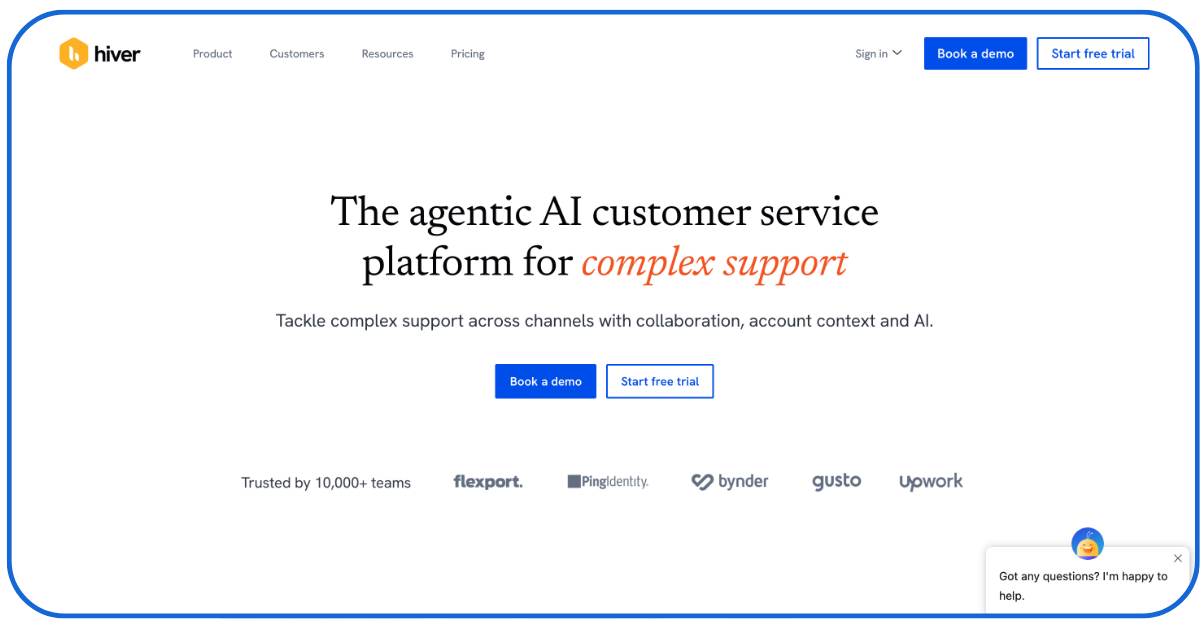
Built for teams already in the Google Workspace, Hiver – with its Gmail-like UI is super-easy-to-use despite being packed with helpful features.
Standout Features
- Gmail-native ticketing
- Email delegation
- Shared inboxes
- Built-in CSAT surveys
Pros
- Easy-to-learn
- Quick set-up
- Affordable
Ideal Users
- Teams using Google Workspace
8. Spiceworks
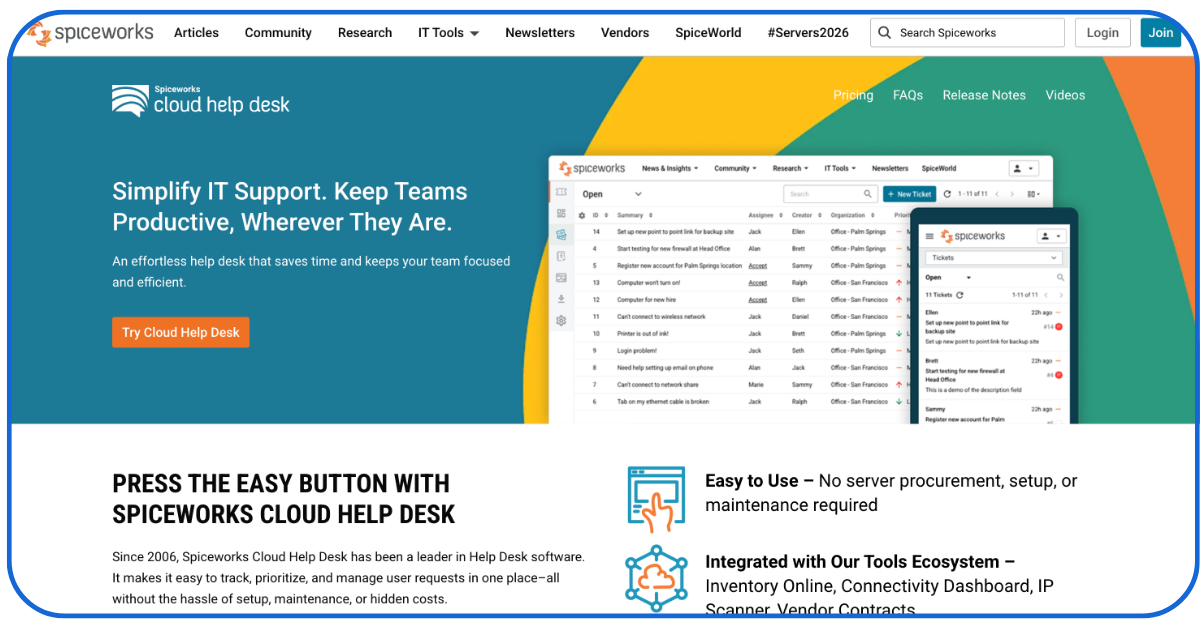
Another IT-focused help desk that’s also free and self-hosted. Setting up Spiceworks isn’t for non-IT professionals – but for the right team, it’s a great free Zendesk alternative.
Standout Features
- Free and self-hosted
- Strong network monitoring and inventory capabilities
- Community-powered knowledge base
- Strong ticket management
Pros
- Zero licensing fees
- Strong community support
- Strong IT-focused features
Ideal Users
- IT departments that need a free on-premise help desk with built-in infrastructure monitoring
The Best Zendesk Alternatives Compared
| Feature | Zendesk | Freshdesk | Help
Scout |
Zoho Desk | HubSpot | LiveAgent | Jira | Hiver | Spiceworks |
| Transparent pricing | ✗ | ✓ | ✓ | ✓ | ✓ | ✓ | ✗ | ✓ | ✓ |
| Built‑in live chat | ✗ (premium) | ✓ | ✓ | ✓ | ✓ | ✓ | ✓ | ✓ | ✗ |
| Easy setup | ✗ | ✓ | ✓ | ✓ | ✗ | ✗ | ✗ | ✓ | ✗ |
| Automation | ✓ | ✓ | ✓ | ✓ | ✓ | ✓ | ✓ | ✓ | ✓ |
| Knowledge base | ✓ | ✓ | ✓ | ✓ | ✓ | ✓ | ✓ | ✓ | ✓ |
| Free Tier | ✗ | ✓ | ✓ | ✓ | ✓ | ✗ | ✓ | ✓ | ✓ |
Best Self-Hosted Zendesk Alternative
In addition to Spiceworks, other self-hosted options include:
- Zammad is packed with features, bundles ticketing with an integrated knowledge base, and offers simple Linux packages for installation
- osTicket may have an outdated UI – but it’s 100% open-source and handles email sourcing and ticketing (500,000+ tickets) for ZERO licensing costs
- UVdesk offers a self-hosted option along with its cloud version, which comes with eCommerce integration, open-source ticketing, and workflow automation features
Deploying a self-hosted Zendesk alternative on your own infrastructure means you’ll have full control over your business/customer data. Keeping that data in-house will help you boost your enterprise’s security and compliance.
Unless you’re an elite SaaS firm that knows all about outsourcing, this can be a massive perk.
Any Zendesk Alternatives Free to Use?
Almost all the tools we’ve profiled have basic free tiers.
Among those, Freshdesk (up to 10 free agents) and Zoho Desk (3 agents) are the only Zendesk alternatives free of cost that can be genuinely used long-term by small teams.
Spiceworks and osTicket are fully free, open-source, and genuine Zendesk alternatives free of any cost. But you’ll need to have IT expertise to use them.
Conclusion
If pricing is the #1 reason you’re seeking Zendesk alternatives, then Freshdesk is our pick. It’s easy-to-use and supports low-cost scaling.
If you want a low-cost, AI-centric Zendesk alternative, Zoho Desk’s free tiers are worth trying.
Zammad and osTicket are good self-hosted alternatives.
Use the free tiers first. See which tool supports your team’s size, needs, and growth objectives before committing.
FAQs
Q1- What’s the best Zendesk alternative for small businesses?
Freshdesk and Zoho Desk both offer low-cost plans, free tiers, and comparable features that smaller businesses can try out – before committing.
Q2- Are there any Zendesk alternatives free to use?
Yes. Freshdesk, Help Scout, Zoho Desk, Jira, and Hiver all have free tiers. These plans have very limited features, but they’re worth testing – before you sign up for a premium plan.
Q3- What’s the best self-hosted Zendesk alternative?
Zammad and osTicket.
Q4- Why are companies switching away from Zendesk?
Rising costs, predatory contracts, and increasing complexity are some of the most cited reasons.
Q5- How to choose the right Zendesk alternative?
Try out the free tiers first. Then, check which tool your team finds the best in terms of ticketing, automation, reporting, and other essential features.