
Information security is not merely confined to the realm of large corporations anymore. Cyberspace has identified small and mid-size businesses (SMBs) as the upcoming targets for cyberattacks, data breaches, and security threats, and the number of attackers is increasing. The reason behind this trend is very straightforward hackers are already aware of the fact that smaller firms tend to have poor defenses, but at the same time hold useful customer data, financial data, and even patents.
The challenge many SMBs face is implementing robust security measures without the complexity, cost, and technical expertise that traditionally come with enterprise-level solutions. The good news? Information security management doesn’t have to be overwhelming or require a dedicated IT department to be effective.
Understanding the Real Risks SMBs Face

We will first talk about the solutions later on, but it is vital to realize the importance of information security management in your business. The latest cybersecurity reports reveal that more than 40% of cyber attacks are aimed at small businesses, and the cost incurred by an SMB due to a data breach can go over the limit of hundreds of thousands of dollars if factors like downtime, recovery costs, legal fees, and reputation damage are considered.
Many small businesses believe that they are “forbidden areas” for criminals due to their small size, which is a wrong perception, creating a dangerous gap in security. Such small businesses are more vulnerable to cybercriminals, as they are often unaware of or lack security measures.
The major threats that SMBs can expect to face include phishing scams, ransomware, employee leaking information, mobile devices not secured, and third-party vendor systems being vulnerable. Any of these can lead to a complete crisis if not handled appropriately.
Apart from the financial losses, security breaches will, in the long run, cause a decrease in customer loyalty and a negative image for the brand. People will hear about the data being breached very fast on social media and review sites in today’s interconnected world. Customers who no longer trust you to keep their data safe will switch to a different provider, and regaining that trust may take years.
There’s also the regulatory dimension to consider. Many industries now face strict data protection requirements, and failing to meet these standards can result in significant fines and legal consequences. Even if your business hasn’t experienced a breach yet, operating without proper security measures exposes you to compliance violations that can be just as damaging.
What Makes Information Security Management Different for SMBs
Big companies manage to have whole departments studying cybersecurity, compliance officers in their ranks, and vast sums of money allocated to the most modern security instruments. On the other hand, Small Medium Businesses are lacking all these benefits, which is why they require a different kind of protection.
The breakthrough lies in implementing a practical and simple security method that is applicable to one’s particular case and at the same time does not demand a lot of technical knowledge. This links to beginning with the protection of the most important assets, setting up simple policies, and using support systems that are specifically made for companies that do not have large IT departments.
An effective information security management system provides the structure to protect your data systematically rather than reactively responding to threats as they emerge. It’s about creating repeatable processes that anyone in your organization can follow.
Small business security implementation, on the other hand, also has some unique strengths. Your small team means rapid communication, easier policy rollout, and fast changes when new threats arise. You can be more flexible than big companies, which have to deal with different departments and locations.
The dilemma is efficiently sharing out the security that is a limited resource. The hiring of a full security team is costly, and so is ignoring security altogether. The way out is to find the approaches that are scalable and will grow with your business while also using automation wherever possible to cut down on the manual workload.
Building Your Security Foundation: Where to Start
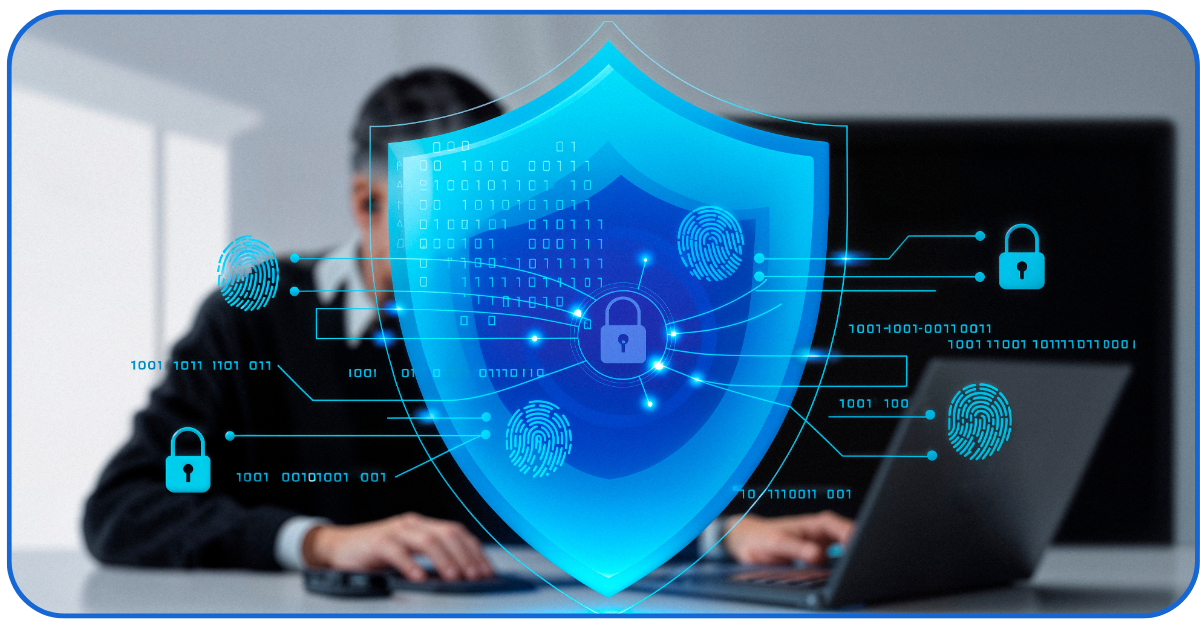
Conducting a simple risk assessment is the first step in information security management implementation. You don’t need experts or intricate frameworks just to get started. To start, just by telling what information is most relevant to your business, like customer databases, financial records, proprietary designs, or employee information. Using vulnerability scanning tools can help identify weak points in your systems early on, ensuring that your most critical information stays protected as you implement your security measures .
To move beyond one-off scans, adopt an exposure management approach: continuously map internet-facing assets and cloud resources, correlate vulnerabilities with misconfigurations, excessive permissions, and business context, and prioritize fixes by exploitability and blast radius. Establish lightweight workflows for monitoring, automated alerting, and incident response drills, then track progress with simple metrics (time-to-detect, time-to-remediate). For a practical SMB-friendly checklist, review the outline of identification, assessment, mitigation, and ongoing monitoring steps you can implement without a large security team.
After you have identified your protection needs, take a look at the way that information is being stored now, who has access to it, and what could go wrong. This assessment will show the areas where you are most vulnerable, and it will also discover others that are not as close to being at risk but still need attention.
It would be wise to investigate your data flows first, considering how the information moves around your organization. Where’s the origin of customer data? What are the various steps of the processing? What storage is used? Who can access the data in each of the steps? Most of the time, this exercise uncovers security loopholes that you thought did not exist, such as sensitive files kept in unsecured shared folders or old employee accounts with system access still granted.
After that, the next thing to do is to create security policies that the entire staff can comprehend easily. These policies must include the criteria for passwords, the ordinary use of company gadgets, sensitive data handling, and the procedures in case anyone suspects a security incident. In regard to passwords, an open source password manager allows teams to securely generate, store, and audit credentials in a transparent way, making it easier to enforce and follow company password policies. It is a good idea to keep these policies simple and accessible if they are too complex, people will not follow them.
Documentation is very important, but that does not mean it has to be very elaborate. Be very clear and concise in your guidelines that outline your security procedures, who’s responsible for what, and how you’ll respond to different scenarios. This documentation becomes invaluable during audits or when onboarding new employees.
Treat your security ground as a living document that changes with the growth of your business. Start with the basics and add more layers over time. Simply put, it’s always better to have simple policies that everyone adheres to rather than having extensive documentation that sits untapped in a shared drive.
Leveraging Technology Without the Overwhelm
Technology is essential for effective information security, but SMBs need solutions that work right out of the box without requiring extensive configuration or specialized knowledge. This is where choosing the right information security management software becomes critical.
Search for those platforms that present an automated compliance tracking system alongside risk assessment tools and the management of incidents, all within a user-friendly interface. The software should make it easy for the team to maintain the security standards without increasing the administrative burden on your already stretched team.
Cloud solutions have great importance to small and medium-sized businesses because they do not require having on-premise servers, and they are always updated automatically, and they are also flexible, which means that the business can grow and the cloud will grow with it. They also typically include built-in compliance frameworks for standards like ISO 27001, which can be invaluable if you need to demonstrate security credentials to clients or partners.
Multi-factor authentication, encrypted communications, automated backup systems, and access controls should be standard features that work seamlessly together. The aim is to create a security posture that doesn’t need constant supervision. Using the best content filtering software can further protect your network by blocking harmful or inappropriate content before it reaches users.
When you look at the security solution, consider how easily it will integrate with the existing systems you have. The best security software complements your existing business applications and does not force you to change the way you work. Solutions should be the ones that work with your email, file storage, project management tools, and other daily use platforms. Look for security solutions that offer seamless project management integration, so your team can maintain workflow efficiency without switching between multiple platforms.
The significance of mobile security in the present-day work setting should not be underestimated. Since remote work is a common practice now, employees can access the company data through various devices and locations. There is a need to change the security stance so that it covers the data on smartphones, tablets, and home networks in addition to the office walls.
Automation is valuable when the available resources are scarce. You can set up the security scans to be done automatically, backups to occur at scheduled times, and an alarm system that will alert you in case of any suspicious activities. The automated processes run continuously without the need for staff to intervene, thus providing consistent protection even in the case that your team has other priorities.
For SMBs with limited resources, managed detection and response delivers 24/7 monitoring, triage, and recovery—evaluate providers, explore MDR offering, to augment security without adding headcount.
Creating a Security Aware Culture
Technology and policies won’t work if your team does not actively participate in the process of maintaining security. It is going to take a while to develop a culture in which information security is every person’s responsibility and not just the IT person’s problem.
Offering regular, practical training is the first step that will prepare your employees for the dangers they might encounter. Dealing with hour-long presentations packed with technical jargon is not as effective as using short, engaging sessions that demonstrate how to identify phishing emails, set strong passwords, and detect suspicious activity.
Security awareness should be part of the onboarding process for new hires. The moment that security becomes part of the day’s routine, it will be easier than if the late-formed habits are then changed afterwards. Avoid common mistakes during employee onboarding by ensuring that security training is integrated from day one.
Do not hesitate to report any potential security problems; there is no punishment. If the employees think they will be blamed for opening a suspicious link, they will keep it to themselves, and the issue will grow. Create a culture in which reporting concerns is appreciated and rewarded.
Another idea can be a security champion program where interested employees get extra training and act as resources for their departments. The champions not only help spread the security awareness but also provide peer support, which is often more effective than management issuing a directive.
Gamification can also be a great tool for getting people interested in security training. Turn security quizzes into friendly competitions, give rewards to the teams that complete the training first, or acknowledge employees who spot and report security risks. Making security interesting rather than a burden significantly increases compliance and vigilance.
Regular communication keeps security as a priority, but without being annoying. Provide brief security tips in team meetings, send out monthly newsletters about new threats, or post quick reminders on the internal communication channels. Being consistent is more important than being loud.
More Reading:
Beyond Discord: 16 Ultimate Discord Alternatives for Seamless Connections
Moving Forward With Confidence
Even for small and mid-size businesses, the implementation of information security management is not a difficult task if the right approaches are used rather than the adapted enterprise models. Start from scratch, use the technologies appropriate for your company’s needs, get your staff involved, and grow progressively.
The investment you make in security today protects not just your data but your reputation, customer trust, and business continuity. In an increasingly digital business environment, security isn’t optional; it’s fundamental to sustainable growth.
By taking a systematic approach to information security management, SMBs can protect themselves effectively without the complexity and cost traditionally associated with enterprise security programs. The key is getting started, staying consistent, and continuously improving as your business evolves.