
Digital marketing today is in a very different place from where it was even two or three years ago. AI now sits inside almost every tool: from search engines to content platforms, advertising systems to analytics dashboards. For marketers, the challenge is no longer access to tools; it’s knowing which ones actually deliver impact.
This article takes a grounded, practical look at the digital marketing tools that are proving useful right now. The examples and insights are drawn from real-world workflows used by in-house teams, freelancers, and full-service digital marketing agency environments. The focus is strictly on what works in the field, not what sounds impressive in theory.
Understanding the AI Tool Landscape in 2026 and Beyond
1. Generative AI Tools
These support the early stages of content production by generating drafts, concepts, outlines, and variations at speed. Teams use them for:
- SEO briefs and keyword clusters
- Blog outlines and content structures
- First-draft articles and landing page copy
- Ad copy variations for multivariate testing
- Social captions and short-form content
- Early creative ideation
The biggest advantage is the removal of the “blank page” problem. Instead of starting from scratch, marketers begin from version one and refine from there. Still, the output must be edited for brand voice, accuracy, and clarity. Generative AI saves time—but does not replace skill.
2. Visual AI Tools
Visual AI systems generate mockups, social-ready graphics, product images, and layout concepts in seconds. In many workflows, these tools have replaced the initial sketch or early design stage.
Teams use visual AI for:
- Social post variations
- Ad creative testing
- Website mockups
- Rapid experimentation with visual themes
- Placeholder product photography
Designers then refine the AI-generated ideas into polished assets. This workflow accelerates creative development without sacrificing human direction or brand consistency.
3. Automation and Orchestration Platforms
Automation tools connect the marketing stack. CRMs, email platforms, ad systems, and analytics tools must communicate with each other for campaigns to work consistently.
Common automations include:
- Lead enrichment and routing
- Email nurturing sequences
- Behaviour-triggered actions
- Multi-step customer journeys
- Data syncing between platforms
- Real-time reporting updates
These systems reduce repetitive tasks, align sales and marketing, and keep customer experiences consistent – even during busy periods or team bandwidth fluctuations.
4. Predictive Analytics and Modelling Tools
Predictive tools analyse historical and behavioural data to identify patterns, forecast performance, and guide decision-making. They’re used for:
- Conversion probability modelling
- High-value audience prediction
- Customer lifetime value (LTV) calculation
- Attrition and churn analysis
- Budget forecasting
- Seasonality projection
Predictive analytics enables teams to act early, rather than responding after performance drops.
Across all four categories, the theme is consistent: AI amplifies expertise, but it does not replace it.
Generative AI: Faster Content, Cleaner Workflows
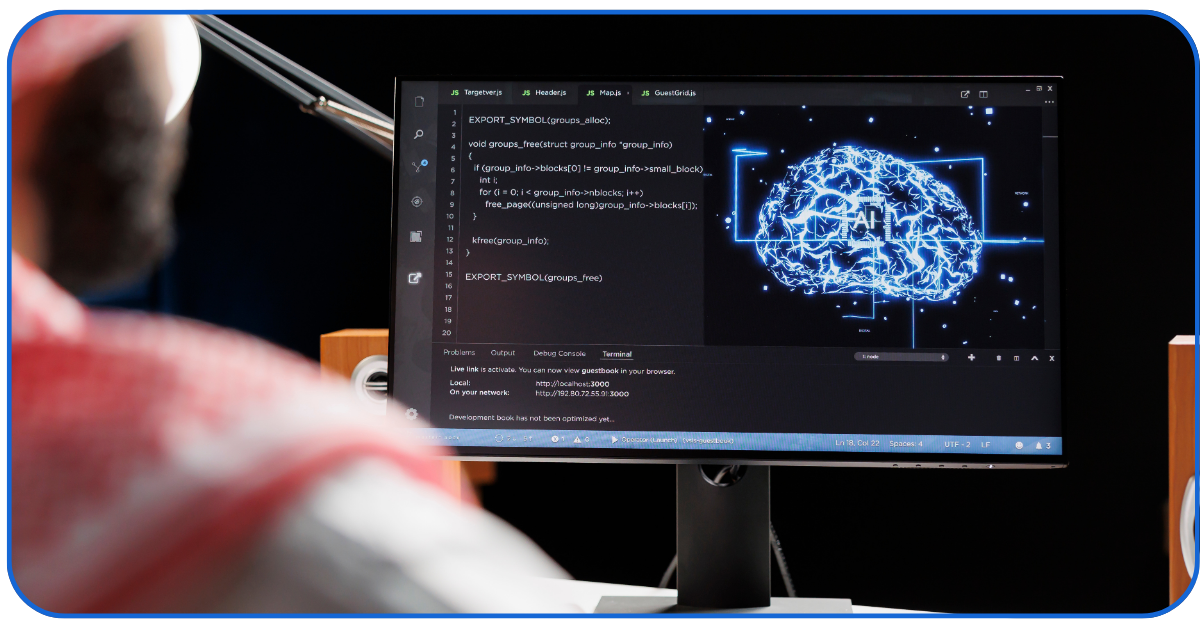
Generative AI is now standard in content workflows, but quality depends on how it’s used. Teams that treat AI as a collaborator—not an autonomous writer—achieve the best results.
Where generative AI has the strongest impact
- Long-form content: AI accelerates briefing, outlining, and ideation.
- Ad testing: Produces multiple variations of headlines, descriptions, and CTAs quickly.
- Landing pages: Draft the first version, which teams then refine.
- Scripts & short-form: Speeds up the creation of hooks, captions, and value statements.
- Creative concepts: Helps propose themes for visuals and layouts.
What generative AI cannot do alone
- Ensure factual accuracy
- Maintain nuanced brand tone
- Make strategic decisions
- Apply compliance or legal considerations
- Understand audience psychology
This is why effective teams use
- Prompt templates
- Editorial checklists
- Brand style guides
- Human copy governors
- SEO-driven structure inputs
AI produces volume; people produce clarity.
Automation and AI Agents: Keeping Workflows Stable

Automation has matured significantly in recent years. While earlier systems relied on basic triggers, modern solutions use AI to evaluate behaviour, sentiment, and probability before deciding the next step.
Despite these advances, the most reliable automation structure remains simple:
Capture → Enrich → Score → Personalise → Route
This blueprint supports the entire lifecycle of a user—from first touch to conversion. When implemented well, it contributes to:
- Higher-quality lead flow
- Faster responses
- More relevant messaging
- Better alignment between marketing and sales
- Clearer reporting across channels
Where automation commonly fails:
- Overlapping journeys that confuse users
- Poor data hygiene
- Over-triggering messages
- Lack of testing and review
- Ignoring negative signals or intent shifts
Automation saves time, but it also amplifies weakness when systems aren’t maintained. Regular audits, clear naming conventions, and proper documentation prevent breakdowns.
For larger teams and full-service digital marketing agency setups, automation is often the foundation that holds every other channel together.
SEO in 2026: GEO and Machine-Readable Content
AI-generated search summaries are reshaping how visibility works. Traditional SEO signals—keywords, backlinks, and metadata—still matter, but visibility increasingly depends on whether your content is machine-readable.
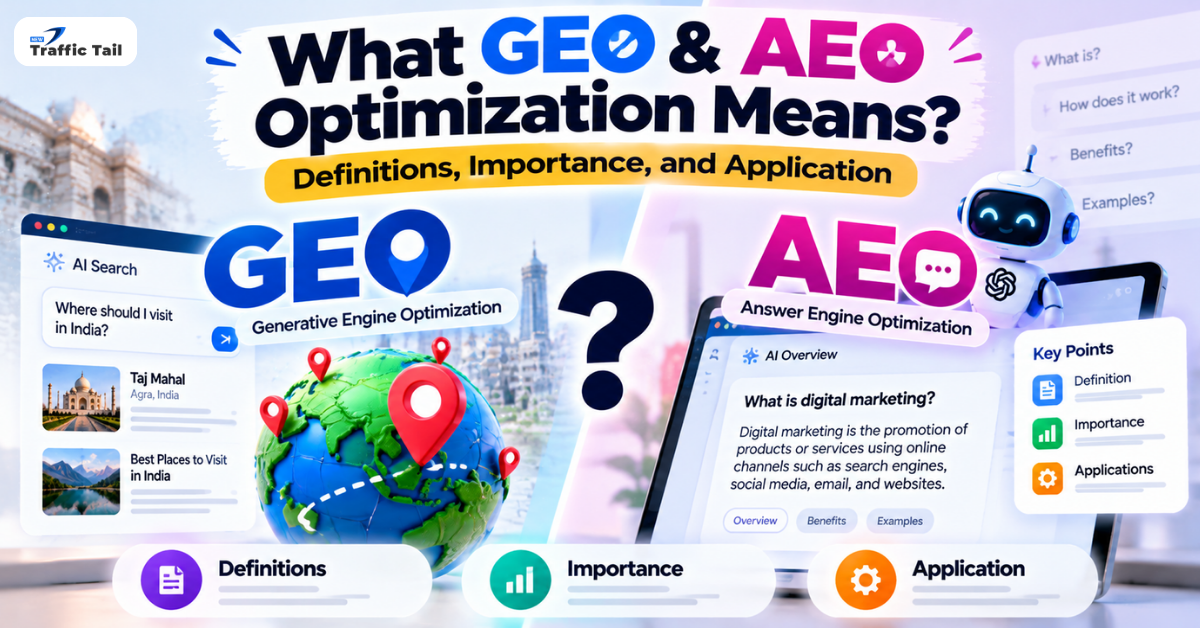
This shift introduces Generative Engine Optimisation (GEO). GEO prioritises:
- Entity clarity: Clear, unambiguous references to people, brands, and concepts.
- Structured data: Schema markup that helps search engines interpret context.
- Direct answers: Short, precise sections that AI systems can quote or summarise.
- Consistent terminology: Reduces ambiguity across a topic cluster.
- Factual reliability: AI systems prioritise credible sources with low error rates.
GEO encourages teams to write with both humans and machines in mind. It pushes for:
- Cleaner structure
- Stronger evidence
- Better formatting
- Clearer logic
- Less filler content
SEO writers and strategists must now collaborate more closely to balance clarity, keyword relevance, and machine interpretability.
AI-Powered PPC: More Signals, Better Targeting
PPC platforms now rely heavily on AI to manage bidding, budget allocation, and audience targeting. Systems analyze thousands of signals per second—far more than human teams can process manually.
Key improvements driven by AI:
- Real-time bid optimisation
- Predictive audience scoring
- Automated creative combination testing
- Dynamic placement selection
- Contextual understanding of user intent
However, AI-powered PPC is not “set it and forget it.” AI models can spend aggressively during learning phases or over-prioritise signals that aren’t aligned with business goals.
Best practices teams should follow include:
- Weekly performance reviews
- Tight budget caps during early learning
- Manual overrides when patterns look unstable
- Controlled testing windows
- Cross-verification with first-party data
The strongest results come from hybrid management: AI handles the mathematical optimisation, while human context shapes direction and safeguards strategy.
Predictive Analytics: Making Decisions Before Problems Appear

Predictive analytics has become essential for long-term planning. Instead of reacting to performance dips, marketing teams now use forecasting models to anticipate them.
Common predictive use cases:
- Lead scoring: Sorting prospects based on likelihood to convert.
- LTV prediction: Helps determine which audiences are worth acquiring.
- Churn detection: Identifies users likely to disengage so teams can intervene early.
- Budget modelling: Forecasts how spending shifts will impact key KPIs.
- Seasonality forecasting: Helps prepare campaigns well in advance.
- Audience segmentation: Groups users based on behavioural similarity.
Predictive tools let teams act early, design smarter tests, and budget with more accuracy.
Final Thoughts
Today’s digital marketing is about choosing tools that genuinely improve efficiency, decision-making, and performance. Generative AI, automation, GEO-focused SEO, predictive analytics, and AI-powered PPC all create real advantages when used responsibly.
For teams working solo, in-house, or within a full-service digital marketing agency setup, the most important factor is the clarity of the workflow behind your chosen tools. The businesses seeing the biggest gains are the ones combining AI capabilities with strong processes, reliable governance, and continuous review.